
Walk-In Tub Care & Maintenance: Keep It Like New
Caring for accessible bathing solutions is essential to keep them safe, clean, and functional for years. Knowing how to care for and maintain a walk-in tub helps homeowners protect their investment and ensure every bath is secure and comfortable.
A walk-in tub requires routine cleaning and basic inspections, and following these steps ensures optimal performance and long-term reliability. For many seniors and caregivers, proper maintenance significantly improves durability and hygiene.
4 Walk-in Tub Maintenance Tips
Understanding the proper care routine for your tub is key to keeping your unit in top shape. Following a consistent schedule minimizes wear and prevents issues such as leaks, residue buildup, or drainage problems. Incorporate these daily and weekly maintenance practices to support safety and accessibility.
1. Daily Rinsing
After each use, rinse the tub walls, seat, and fixtures with warm water. This prevents soap film and mineral deposits from forming. Use the shower wand to reach corners and textured surfaces. A quick daily rinse protects the surface and keeps cleaning simple.
2. Weekly Surface Cleaning
Every week, clean the tub using a mild, non-abrasive, non-ammonia cleaner. Apply the product with a soft sponge or cloth to avoid damaging the tub’s finish. Avoid wire brushes, scouring pads, or harsh chemical solutions. Maintaining gentle weekly cleaning keeps accessible bathtubs looking new and reduces long-term wear.
3. Clean the Insert Seal and QuickTub® Conversion Cover
The insert seal is one of the most critical components of a converted walk-in tub. Wipe it weekly with a soft cloth and warm soapy water to preserve its flexibility, prevent grime buildup, and support a watertight closure.
If you’re using the QuickTub® Cover, either leave it in place when not in use or stand it up on its end in a convenient, out-of-the-way location. If you leave the bathtub cover on when not in use, keep the handles in the open position.
4. Clean the Hair Trap
Tubs with built-in drains often include a removable hair trap. Cleaning this piece weekly helps prevent clogs and slow drainage. A clear drain enhances safety and convenience for all users.
Cleaning Accessible Bathtubs: What to Avoid
To ensure your tub and Step-through insert stay in excellent condition, avoid products and habits that may damage surfaces or internal systems. While walk-in tubs are designed for durability, certain elements can compromise performance. If you’re interested in how to care for and maintain a walk-in tub, consider these tips to preserve its life.
Avoid Oil-based Bath Additives
Oil-based products can cling to internal pipes, clog jets, reduce water flow, and create slippery surfaces. They also contribute to the buildup of difficult-to-remove residue. Instead, use water-soluble bath additives or aromatherapy systems designed explicitly for walk-in tubs.
Do Not Use Abrasive Cleaners
Abrasive powders, stiff brushes, and aggressive chemicals can scratch or dull the tub’s surface. These scratches make cleaning harder and may affect long-term hygiene. A mild cleaner preserves the tub and insert’s ergonomic design and finish.
Watch for Cracks or Gaps in the Seal
Inspect the caulk around the insert’s seal regularly. If you notice cracking, stiffness, or separation, address the issue immediately. Maintaining a strong seal is crucial for avoiding leaks and ensuring safe operation.
Other Helpful Tips to Extend Tub Lifespan
Longevity is one of the most substantial advantages of a walk-in tub. With proper care, many tubs remain functional for well over a decade. These tips to extend the lifespan of the tub will help maintain performance while supporting user safety.
Schedule Yearly Professional Cleaning
Professional technicians can remove internal scale and residue that regular cleaning may not reach. Annual cleaning is an essential practice in ‘how to care for and maintain a walk-in tub’ guides, since it maximizes sanitation, preserves water flow, and supports long-term performance. It also ensures the tub remains in good condition for seniors who depend on safe bathing environments.
Look for Water flow or Drainage changes.
If you notice slower drainage or higher water levels, troubleshoot early. This may indicate a buildup in the pipes or hair trap. Early maintenance helps protect the tub and avoid costly repairs.
Additional Safety and Accessibility Recommendations
Walk-in tubs and step-through inserts play a significant role in bathroom safety, especially for seniors and people with mobility considerations. Proper maintenance is only part of creating an accessible environment. Pair your walk-in tub with reliable, ADA-conscious safety products to support long-term independence.
Adding the right accessories can significantly enhance your tub’s safety and usability. Consider incorporating:
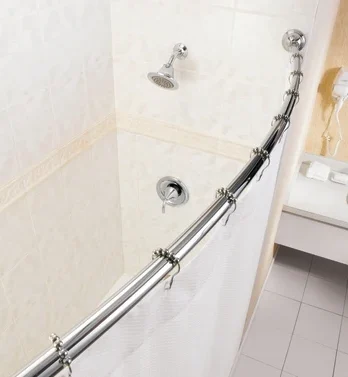
- Curved shower rods for better reach and movement.
- Non-slip mats or coatings for improved traction.
- Grab bars to provide additional support points when entering/exiting the tub.
For complementary solutions, The Step Through Store offers products such as:
- Grab bars and ergonomic accessories that reinforce stability
- Slip-resistant applications to reduce fall risks
- QuickTub® Tub Conversion Cover for added adaptability
Integrating these products helps create a cohesive, secure, and user-friendly bathroom environment that aligns with universal design principles.
When to Request Professional Support
Routine home maintenance is usually enough, but certain situations require expert evaluation. Understanding how to care for and maintain a walk-in tub also requires knowing when to call a professional.
- Consistent leaks around the seal of the step-through insert.
- Cracked or damaged seals
- Unusual odors from the piping
- Persistent drainage issues
A professional inspection ensures your modified tub remains safe, compliant, and fully functional.
Best Practices for Long-term Hygiene
Keeping a walk-in tub sanitary is essential for users with sensitive skin, health conditions, or reduced mobility. Consider these hygiene-forward practices:
- Disinfect surfaces regularly using mild solutions.
- After deep cleaning, run a warm-water rinse cycle to remove residue.
- If you have seats, bath benches, or any transfer device, dry them with a soft cloth to prevent moisture buildup.
- Keep the bathroom well-ventilated to minimize mold and mildew.
A clean, well-maintained tub contributes to healthier, safer bathing routines, especially for aging adults.
Final Thoughts
Knowing how to care for and maintain a walk-in tub empowers homeowners to extend the life of their investment while protecting the safety and comfort of every user. Through simple daily habits, consistent cleaning, and periodic professional care, modified tubs stay hygienic, dependable, and ready for everyday use.
With the right tools and practices, your walk-in tub will continue to support independence, accessibility, and long-term bathroom safety.
Stay Connected for More Accessibility Tips!
Walk-in tub and step-through maintenance is essential for creating a safe and comfortable home environment. To keep learning about better bathroom accessibility, product updates, and new safety solutions, follow The Step Through Store on social media:
Stay informed and discover how other families are transforming their homes with accessible solutions.